Endicott ABA Therapy Sessions: Play-Based Learning Expectations
Families in Endicott, NY often ask what to expect from ABA therapy sessions that emphasize play. Play-based learning is more than fun—it’s a structured, evidence-informed way to build communication, social skills, self-regulation, and independence. If you’re exploring autism services Endicott NY offers, or comparing local ABA providers Endicott families trust, understanding how play fits into treatment plans ABA can help you make confident decisions.
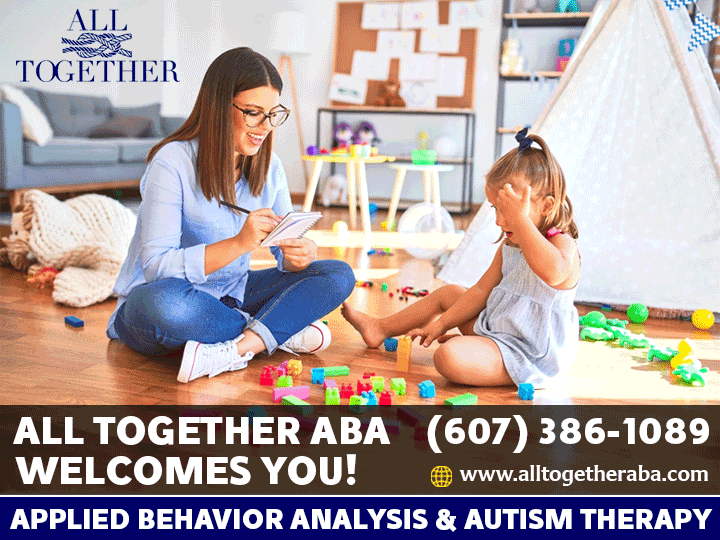
What is play-based ABA—and why it works In ABA therapy, play is used intentionally to motivate participation, teach new skills, and generalize behaviors to natural settings. Play can be child-led, therapist-guided, or a blend of both. The therapist observes how the child engages with toys, peers, and activities, then embeds learning opportunities into those moments. Over time, reinforcement, prompting, and shaping help the child build functional skills with less support. This approach is common at Endicott autism clinics and in-home settings, where therapy is tailored to each child’s preferences and needs.
Starting with behavioral assessments ABA therapy sessions typically begin with comprehensive behavioral assessments to identify strengths, barriers, and priorities. Assessments may cover communication, play, social interaction, sensory preferences, problem behaviors, and daily living skills. Findings inform individualized therapy goals and the initial treatment plans ABA teams create. For families searching “ABA therapy Endicott NY,” early assessment results also guide recommendations for therapy duration ABA and service location (home, clinic, or hybrid).
What a play-based session looks like While every child is different, a typical clinic day at Endicott autism clinics or home session with local ABA providers Endicott families use may include:
- Warm-up and rapport building: The therapist follows the child’s lead, joining in preferred activities to establish trust and motivation. Skill targets in play: Goals like requesting, turn-taking, joint attention, imitation, and functional play are practiced through games, pretend scenarios, and hands-on activities. Naturalistic teaching: Instead of rigid drills, therapists embed learning in routine moments—clean-up time, snack, transitions, and outdoor play. Structured learning moments: Short, focused intervals may be used for practicing communication or daily living skills with clear reinforcement. Generalization: Skills are practiced with different toys, people, and settings to promote carryover beyond ABA therapy sessions. Caregiver check-in: A brief debrief shares wins, challenges, and home practice ideas tied to the treatment plans ABA team is following.
Individualized therapy goals and data-driven progress Every child’s plan includes individualized therapy goals that are specific, measurable, and tied to daily life. For example, a goal might focus on requesting help during block play, tolerating peer proximity during pretend play, or following two-step directions in a game. Therapists continuously collect data during ABA therapy sessions, monitoring trends and adjusting strategies. This data-driven approach is a hallmark of ABA therapy Endicott NY practitioners follow, ensuring progress is tangible and decisions are informed, not guesswork.
The role of reinforcement—beyond “rewards” Reinforcement in play-based ABA isn’t just about stickers or snacks. It’s often woven into the activity itself—extra turns, access to a favorite toy, or a silly song after a successful attempt. Effective reinforcement is timely, meaningful to the child, and gradually faded as skills become more independent. Local ABA providers Endicott families rely on often coach caregivers on how to reinforce naturally at home, so progress continues between sessions.
Parent and caregiver participation Family involvement is a core component of autism services Endicott NY clinics provide. You can expect:
- Observation and feedback: Parents may observe sessions live or via notes and videos. Skills coaching: Therapists teach practical strategies—how to prompt, reinforce, and shape behaviors during everyday routines. Consistency planning: The ABA therapy schedule and home routines align, promoting generalization and reducing confusion for the child. Active caregiver participation accelerates progress and ensures the therapy is meaningful in real-world contexts.
Therapy duration ABA and scheduling Therapy duration ABA varies widely. Some children benefit from 10–15 hours weekly, while others require 20–30+ hours, depending on age, https://rentry.co/fvo8aysk goals, and assessment results. Your team will recommend an ABA therapy schedule that balances effectiveness with family life and other services (speech, OT, school). Endicott autism clinics typically offer flexible scheduling options, including mornings, afternoons, or after-school sessions. Over time, hours may be increased, decreased, or shifted as goals evolve and independence grows.
How play supports key skill areas
- Communication: Requesting items, labeling actions, and using gestures or augmentative communication within games and pretend play. Social interaction: Turn-taking, perspective-taking, joint attention, and cooperation are naturally embedded in play with peers or therapists. Emotional regulation: Structured, joyful play helps practice waiting, shifting attention, and coping with small frustrations in a safe context. Adaptive skills: Dressing dolls, cleaning up blocks, or organizing a play kitchen all build daily living skills in a motivating way. Cognitive flexibility: Pretend scenarios, changing rules, and problem-solving games encourage flexible thinking and adaptability.
Reducing behaviors that interfere with learning Challenging behaviors—like biting, hitting, or eloping—often have a function (to escape, gain access, or seek sensory input). Play-based ABA helps identify these functions via behavioral assessments and then teaches alternative, more appropriate behaviors. For example, a child who throws a puzzle to escape a demand may be taught to request a break using a card or device. These replacement behaviors are practiced during ABA therapy sessions and reinforced consistently across settings.
What to ask when evaluating local providers When reviewing local ABA providers Endicott families might choose, consider:
- How do you integrate play into sessions for my child’s age and interests? What behavioral assessments do you use? How will you define individualized therapy goals? How do you determine therapy duration ABA and adjust the ABA therapy schedule? What caregiver training do you offer, and how will you measure outcomes?
Finding ABA therapy Endicott NY resources Endicott has a growing ecosystem of autism services. Start with your pediatrician’s referral, check insurance networks, and visit Endicott autism clinics for tours. Ask about waitlists, staff credentials, supervision by Board Certified Behavior Analysts (BCBAs), and how the team collaborates with schools and related therapies. A strong provider will welcome questions and show how treatment plans ABA evolve with your child’s progress.

Setting realistic expectations Progress in play-based ABA is often incremental. Look for trends across weeks rather than day-to-day fluctuations. Expect periodic plan updates after progress reviews, with new targets added as skills emerge. Above all, expect collaboration—your insights at home inform what happens in the clinic, and therapists will rely on your feedback to keep goals relevant and attainable.
Key takeaways
- Play is the vehicle for learning, not a distraction. Behavioral assessments and data guide every decision. Individualized therapy goals keep sessions meaningful. Therapy duration ABA and scheduling are customized. Caregiver involvement is essential for generalization and sustained gains.
Questions and Answers
Q: How many hours per week should my child attend ABA therapy sessions? A: It depends on behavioral assessments, age, and goals. Many children in Endicott receive 10–30+ hours weekly. Your team will recommend a tailored ABA therapy schedule and revisit it regularly.
Q: Can play-based ABA still be “intensive” and effective? A: Yes. Intensity refers to the structured, goal-driven time engaged in learning, not a lack of play. Play-based approaches at Endicott autism clinics can be highly effective and are supported by research.
Q: What if my child doesn’t like typical toys? A: Local ABA providers Endicott families work with often start by identifying unique interests—sensory bins, movement games, music—and build individualized therapy goals around those motivators.
Q: How are problem behaviors addressed during play? A: The team analyzes the behavior’s function, teaches replacement skills (like requesting a break), and adjusts reinforcement and demands. These strategies are practiced within the play context to improve generalization.